
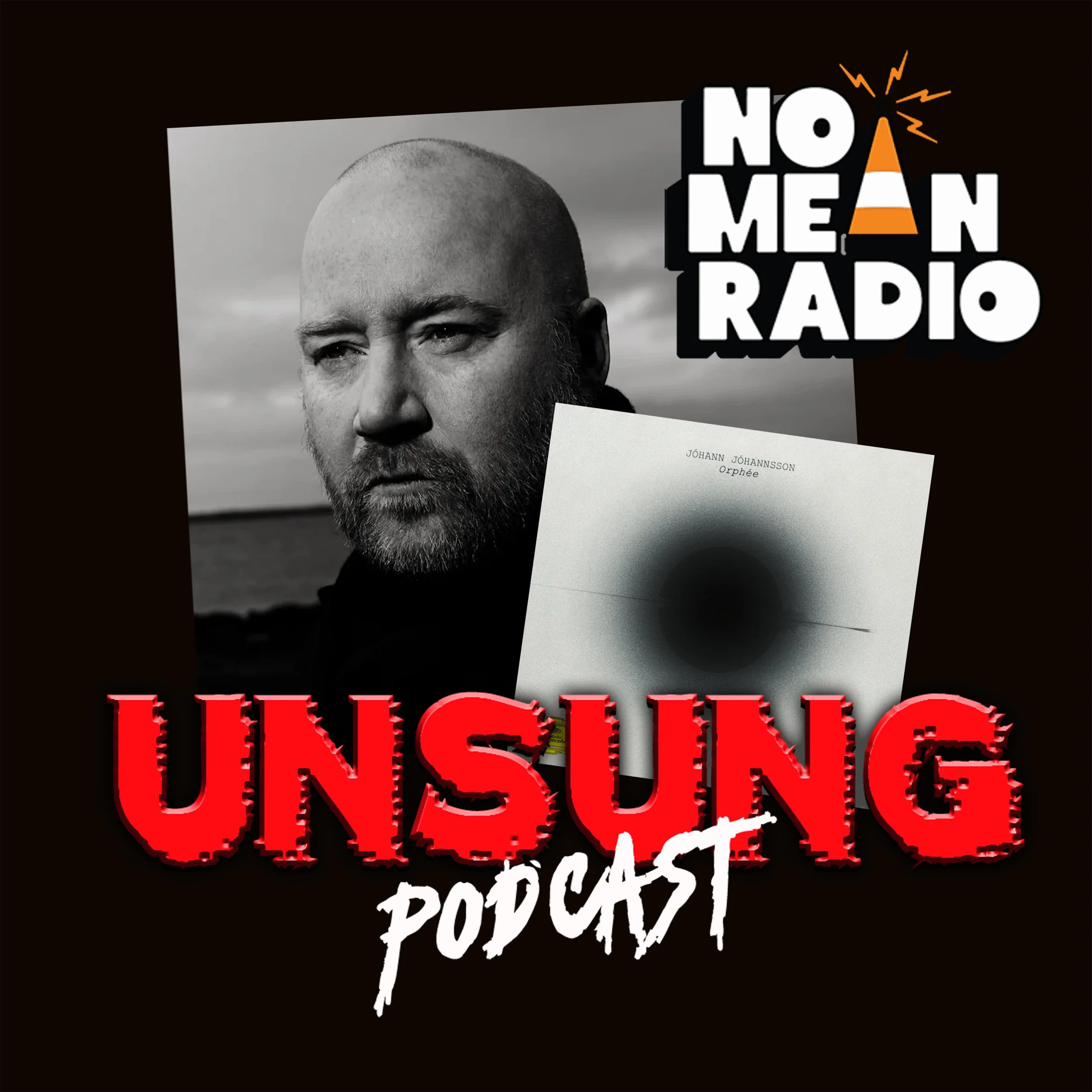
Did Hollywood Kill Jóhann Jóhannsson?
Download
We don't often cover classical or neoclassical music, as it’s a wee bit out of our wheelhouse. But that doesn’t mean we don’t enjoy it—often, our entry into that world is via film soundtracks. Jóhann Jóhannsson is a perfect example, having scored some of the most iconic films of the last 20 years.
However, that’s only part of the story. Jóhannsson also released a series of acclaimed solo records; this week, we’re focusing almost exclusively on that solo output, while also providing an account of his life, his key cinematic works, and his tragic passing in 2018.
We chart his path from early days in indie bands to the cross-genre think tank Kitchen Motors, and his meteoric rise as a composer for films like Prisoners, Sicario, Arrival, and The Theory of Everything (for which he won a Golden Globe and earned an Oscar nomination). From there, we take a closer look at his solo discography, including IBM 1401: A User’s Manual (built from his father’s vintage computer recordings), Fordlandia, and the short-film soundtrack And in the Endless Pause There Came the Sound of Bees, as well as posthumous releases like Gold Dust.
We cap things off with a discussion regarding his death and the question of whether the pressures of Hollywood played a role in his demise, before focusing exclusively on his 2016 masterpiece, Orphée.
00:00 Intro
03:56 Meet Jóhann Jóhannsson
07:47 Early Life And Indie Bands
09:29 Labels And Influences
12:55 Chris' Hildur Guðnadóttir Facebook Scam Story
17:44 Solo Albums Breakdown
22:32 IBM 1401 Masterpiece
25:18 Fordlandia And Later Works
29:10 Film Breakthrough And Awards
32:33 Blade Runner Score Rejected
35:11 Blade Runner Score Shakeup
36:13 Zimmer Versus Vangelis
38:40 Jóhann Interview Clues
40:11 Who Made The Call
41:43 mother! And The Scrapped Soundtrack
43:39 Experimental Sound Design
46:29 Final Projects And Legacy
47:49 Last And First Men
50:31 Posthumous Releases
52:54 Death And Tributes
55:39 Did Hollywood Kill Him
58:48 Orphée Album Deep Dive
01:08:32 Why His Music Matters